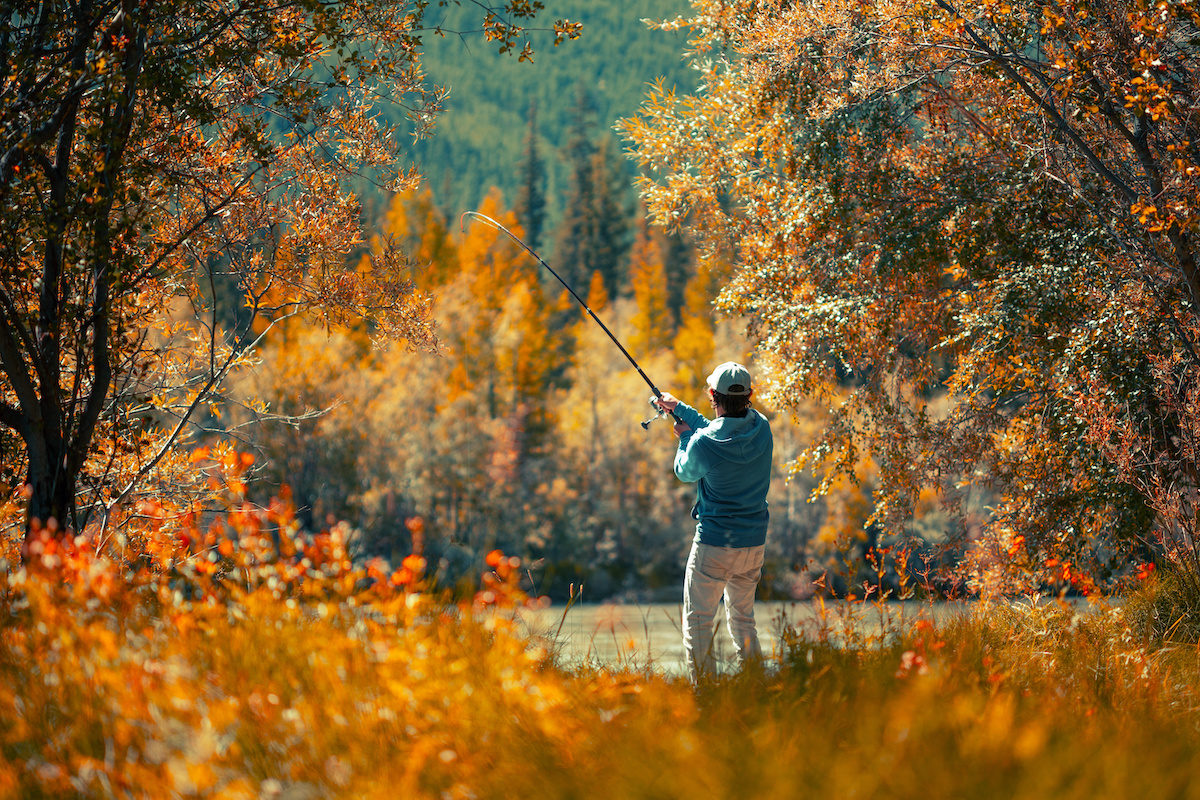
So many exceptional locations

Why move to Northern BC

Why move to Northern BC?

Home to the Peace River, Alaska Highway and the spectacular Aurora Borealis, Northern BC offers an unmatched outdoor lifestyle with recreational access to vast remote areas.

Major hubs like Prince George, Terrace, Smithers and Prince Rupert provide regional services, while many smaller towns offer tight-knit communities and lower housing costs than coastal BC. Climate ranges from cold continental winters in the interior to milder, wet coastal conditions. Benefits include access to wilderness, affordable land, and a slower pace of life.

Ideal for outdoors-oriented residents, resource-sector workers, and those seeking space and natural beauty. Hiking, skiing, fishing, hunting, kayaking, boating, strong Indigenous cultures and vibrant local arts, with significant natural resources industries; forestry, mining and energy.

Top 10 Reasons to Live in Northern British Columbia.

1. Affordability  lower housing and land costs in many towns.

2. Strong sense of community tight-knit small towns and active local groups.

3. Resource and trades employment jobs in forestry, mining, energy, construction, & transportation.

4. Wildlife  moose, bears, eagles, caribou, whales (coastal north), and birding.

5. Wild nature and scenery—vast forests,mountains, rivers, fjords,and northern lights

6. Outdoor recreation hiking,skiing,snowmobiling,fishing,hunting,kayaking,mountain biking.

7. Clean air and Community  excellent family-friendly centred local clubs and events

8. Slower pace and quality of life balance, connection to nature.

3. Lower population density more space,quieter communities,less traffic and noise.

10. The lifestyle is unmatched - a true wilderness paradise to live, work and play in.  

Regional District of Bulkley‑Nechako

Located in north‑central BC; major communities include Smithers, Burns Lake, Houston, Telkwa, Vanderhoof and Fort St. James.

Nearby alpine skiing, mountain biking, hiking, canoeing, lake fishing, hunting and extensive snowmobile trails. Mountains (Bulkley and Hazelton ranges), forests, numerous lakes (Fraser, Takla, Stuart nearby) and abundant wildlife.

Climate: Continental interior warm summers, cold snowy winters; lower coastal precipitation than northwest coast.

Economy & jobs: Forestry, mining, tourism, agriculture, transportation and public services; growing outdoor‑recreation and tourism businesses.

Homes & Property: Generally more affordable housing and larger lots with large acreage, farm, ranch and agri-business opportunities.

Services & access: Regional health centres, K–12 schools, community colleges/UNBC presence in nearby Prince George, basic commercial services in larger towns.

Community life: Tight‑knit small towns, active volunteer networks, festivals (arts, music, outdoors) and local artisan scenes.

Regional District of Fraser-Fort George

Central-northern BC hub; major centres include Prince George (regional city), McBride, Valemount, many smaller communities and rural municipalities surround PG with its many urban and more rural neighbourhoods.

Extensive fishing (Fraser and Nechako rivers), hunting, hiking, mountain biking, nearby alpine skiing, snowmobiling and river-based activities; easy access to provincial parks.

Climate: Continental interior — warm summers, cold winters with reliable snow-pack; more extreme temperature range than coastal areas.

Services & infrastructure: Regional hospital services, post‑secondary UNBC, full retail and professional services, regional airport, rail and major highway junctions.

Economy & jobs: Diverse employment in forestry, mining, energy, transportation, health care, education, government, and logistics; strong trade and service sector in PG.

Homes & Property: More housing options and rental availability in Prince George; surrounding rural areas and small towns offer affordable lots and acreage.

Education & health: UNBC, college programs, K–12 schools, comprehensive healthcare and specialist services concentrated in Prince George.

Regional District of Kitimat–Stikine

Northwestern BC corridor—major centres include Terrace, Kitimat, Stewart, and smaller communities like Hazelton, Thornhill and Iskut.

Dramatic coastal mountains, fjords, temperate rainforest on coast, and inland alpine valleys; wet, mild coastal winters and cooler, snowier inland areas. 

Outdoor recreation: World-class salmon and steelhead fishing, kayaking, sea‑rafting, heli- and backcountry skiing, mountain biking, hiking and endless hunting/outfitting opportunities.

Marine access & industry: Deepwater ports (Kitimat, Prince Rupert nearby), LNG and shipping infrastructure, commercial fishing, and strong resource-sector employment (energy, mining, forestry).

Wildlife & nature: Coastal marine life, eagles, bears, salmon runs, and rich biodiversity in coastal and inland ecosystems.

Transportation & access: Highway 16 corridor and coastal routes; regional airports in Terrace and Kitimat; ferry/boat access for coastal communities.

Community character: Mix of industrial towns (Kitimat) and adventure/outdoor hubs (Terrace, Stewart) with active local arts scenes and community services.

Homes, Property & services: Varied services and schools in larger towns; housing affordability can fluctuate with resource‑sector cycles.

Regional District of Peace River

Northeastern BC; major centres include Fort St. John, Dawson Creek, Tumbler Ridge, Chetwynd and surrounding rural municipalities.

Warm summers, cold winters; generally drier than coastal regions with wide temperature swings.

Economy & jobs: Hub for oil & gas, natural gas (LNG), agriculture, forestry, construction and transportation, strong resource-sector employment.

Agriculture & land: More extensive arable land and longer growing season than much of northern BC cattle ranching, grain farming and acreage opportunities.

Outdoor recreation: Hunting, fishing, snowmobiling, ATVs, hiking, river activities (Peace River), and nearby parks (e.g., Beatton Provincial Park, Tumbler Ridge UNESCO Global Geopark).

Infrastructure & access: Good highway connections (Alaska and northern routes), airports in Fort St. John and Dawson Creek, and rail access; services concentrated in larger towns.

Community & lifestyle: Strong small‑town communities with agricultural fairs, rodeos, local events, and active volunteerism.

Energy & industry services: Many supporting businesses for pipelines, drilling, and energy transport; cyclical but often well‑paid employment.


Find home in Northern British Columbia

Freddy Marks and Linda Marks-Bladt are experienced and knowledgeable about landholdings in the northern areas of the province. We can help you find the perfect home, ranch or business to suit your budget and lifestyle. Let's get started. 

Send Us Your Questions, Comments or Requests

Jump to top